
Pool Leak Detection Sachse, TX.
Losing water faster than normal evaporation can explain? Rowlett Leak Detection provides pool leak detection and swimming pool inspection in Sachse, TX to help you find out exactly where the water is going before you pay for a repair that may not even fix the problem.
We test the plumbing, the skimmer and fittings, the pool shell, and the equipment pad separately, so you get a clear answer instead of a guess.
Pool Leak Detection Services in Sachse
Underground Pool Plumbing
Suction and return lines run underground and can lose pressure without any visible sign above the surface. We use pressure testing to check whether a buried line is holding.
Skimmers & Pool Fittings
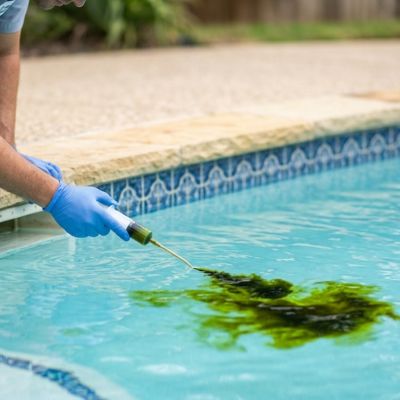
Skimmers, returns, lights, and other penetrations are common places for water to escape. Dye testing shows us whether water is moving through a fitting that should be sealed.Water loss that continues without normal swimming activity can be a reason to investigate further.
Pool Shell & Gunite
Cracks in a gunite shell or around penetrations can cause slow, steady water loss. When the leak looks like it’s coming from the pool itself rather than the plumbing, we test the shell directly.
Equipment Pad Inspection
Not every leak is underground. Pumps, filters, heaters, valves, and fittings at the equipment pad can develop visible leaks that are easy to miss during a quick look.
Swimming Pool & Hot Tub Inspection
Before you schedule any repair, a full swimming pool inspection in Sachse, TX tells you whether you’re actually dealing with a leak or normal evaporation and where to look if you are. We also provide hot tub inspection in Sachse, TX for spa owners seeing the same unexplained water loss.
Need a different type of leak service? See our general leak detection page for slab, gas, and water line leaks outside the pool.
Why Choose Us
- We diagnose before we recommend repairs. You’ll know exactly what’s causing the water loss before anyone talks about fixing it.
- Testing matched your symptoms. Pressure testing, dye testing, or equipment inspection whichever method fits what your pool is actually showing.
- Local to North Texas. We understand how Sachse’s clay soil and dry summers affect underground plumbing and pool shells across the area.
- Straightforward findings. No pressure to approve work, you don’t need just a clear explanation of what we found and what your options are.
How Rowlett Leak Detection Finds Pool Leaks
- 1
Water-Loss Evaluation
We start by comparing your pool's water loss pattern against normal evaporation for the season. This alone often tells us whether further testing is even needed. - 2
Pressure Testing
If an underground line is suspected, we pressure test it to see whether it's holding or losing pressure. - 3
Dye Testing
Around skimmers, fittings, and suspected cracks, dye testing shows us exactly where water is moving. - 4
Equipment & Visible-Component Check
We inspect the pump, filter, heater, and fittings at the equipment pad, since not every pool leak starts underground.
Service Areas
Pool Leak Detection Across Sachse & Collin County
Rowlett Leak Detection provides pool leak repair and inspection throughout Sachse, TX (75048), including the Woodbridge community and areas near the Woodbridge Golf Club, along with homes along Highway 78 and near the President George Bush Turnpike.
We also serve pool owners across the wider Collin County pool leak detection area, including:
Sachse sits in both Collin and Dallas counties, and homes throughout this part of North Texas share the same clay soil and seasonal drought conditions that put stress on underground pool plumbing. If your pool is anywhere in this area and losing water you can’t explain, we can take a look.
Questions We Hear Often
Frequently Asked Questions
How do I know if my pool is really leaking and not just evaporating?
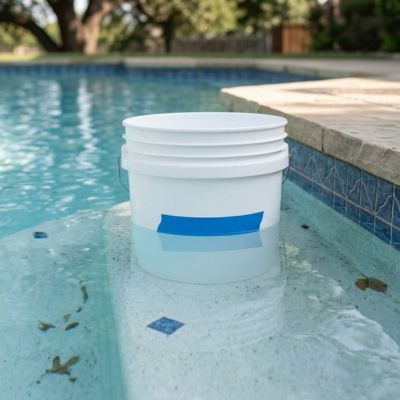
Run a bucket test for 24 hours. If the pool loses noticeably more water than the bucket, especially more than about 1/4 to 1/2 inch a day, it’s likely a leak.
Where do most pool leaks happen?
Plumbing lines, skimmers, and fittings are the most common spots, followed by cracks in the pool shell or gunite. Equipment pads can also develop leaks over time.
Can a leaking pool damage my yard or foundation?
Yes. An undetected plumbing leak can erode soil under the deck or shell, leading to structural damage and costly repairs if it goes on too long.
Do I need to drain my pool for leak detection?
Usually not. Pressure testing and dye testing can locate most leaks without draining the pool, which saves water and time.
Why does my pool equipment seem to run harder lately?
This often happens when the system is compensating for ongoing water loss. It’s worth checking for a leak before assuming it’s just equipment wear.
Is a small amount of water loss normal?
Yes, some water loss from evaporation is expected, especially in hot Texas weather. The bucket test helps separate normal evaporation from an actual leak.
How long does a pool leak inspection take?
Most inspections take one to two hours, though a full bucket test adds a 24-hour waiting period beforehand.
Will a pool leak affect my water bill?
Yes, an ongoing leak can noticeably raise your water bill, especially if the pool is refilling automatically to compensate for the loss.
Don't Let a Small Leak Become an Expensive One
A pool that keeps running with a hidden leak puts extra strain on the pump and filter, and it can lead to chemical imbalance from constantly topping off the water. The longer the source goes undiagnosed, the more it usually costs to put right.
Pool Losing Water in Sachse? Find Out Where It's Going.
If you are repeatedly adding water to your pool and still cannot determine why the level keeps dropping, guessing at the cause can make the problem harder to understand.
Rowlett Leak Detection can help evaluate unexplained pool water loss and identify the area that needs further attention.