
Water Leak Detection Rowlett TX
Suspect a water leak but can’t find the source? Rowlett Leak Detection helps locate hidden water leaks before unnecessary walls, floors, or concrete are opened. Unexplained water usage, damp spots, running-water sounds, or a moving meter can indicate water loss, but they don’t always reveal where the leak is.
Our water leak detection in Rowlett focuses on narrowing down the source and determining the most appropriate next step. For buried supply lines, waterline leak detection in Rowlett can help identify leaks before excavation or repair is considered.
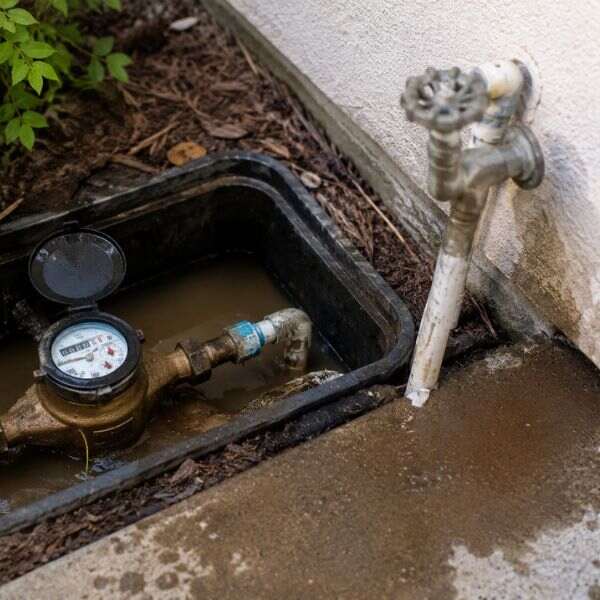
Suspect a Water Leak?
One of the first things to establish is whether water is being used when your home or property should not be using it.
If faucets, appliances, irrigation and other known water sources are turned off but the water meter continues to register usage, there may be an active leak somewhere in the plumbing system.
The City of Rowlett provides water-meter information and specifically addresses how residents can identify potential leaks. Its current water-conservation materials also distinguish physical water losses caused by leaks from apparent losses associated with meter measurement.
A meter can help indicate that water is moving through the system. It generally does not tell you exactly where the leak is.
That’s where professional water leak detection in Rowlett becomes valuable.
Instead of treating every wet spot as the source, the investigation should consider the plumbing system, the location of the symptoms, water usage and the evidence available at the property.
If your meter continues moving with water use turned off, contact Rowlett Leak Detection for professional leak locating.
Water Leak Detection Services in Rowlett
Water leaks can occur in accessible plumbing as well as concealed areas where simply looking for a dripping pipe won’t solve the problem. Rowlett Leak Detection focuses on locating the source so the appropriate next step can be determined.
Hidden Plumbing Leak Detection
A plumbing leak can develop behind a wall, beneath a finished floor or in another concealed section of the property’s water system.
Possible warning signs include:
- unexplained moisture
- water staining
- bubbling or damaged surfaces
- musty odors
- unexplained water usage
- sounds of running water
- changes in water pressure
The location where you first notice the water isn’t necessarily the location where the pipe is leaking. Water can travel through building materials before becoming visible.
Our goal is to investigate the evidence and narrow down the likely source rather than assuming the first visible symptom is the actual failure point.
Water Meter and Plumbing-System Testing
Your water meter can provide useful information when you’re trying to determine whether water is escaping from the system.
A basic check involves stopping normal water use and observing whether the meter or its flow indicator continues to register activity.
If water usage continues, further investigation may be appropriate.
Testing can help answer an important question:
Is there evidence of ongoing water loss even though no fixture is intentionally using water?
From there, additional diagnostic methods may be used according to the suspected location and plumbing conditions.
Acoustic and Electronic Leak Detection
Pressurized water escaping from a damaged pipe can create sounds that specialized equipment may help detect.
Acoustic leak detection uses sensitive equipment to listen for those signals and help narrow the location of a concealed leak.
Electronic leak detection can provide another way to investigate plumbing that isn’t readily visible, including situations where access to the pipe is limited.
These methods aren’t simply about using the most equipment possible.
The appropriate detection method depends on the plumbing system, suspected leak location, accessibility and evidence discovered during the investigation.
Thermal Imaging for Water Leak Investigation
Thermal imaging can sometimes help identify temperature differences associated with moisture or water movement.
It can be particularly useful in situations where there is a meaningful temperature contrast, but a thermal camera should not be treated as a universal answer to every hidden water leak.
A professional investigation considers thermal information alongside other evidence rather than assuming that every leak will produce an obvious thermal image.
Waterline Leak Detection in Rowlett
A waterline leak can be difficult to locate when the affected pipe isn’t visible.
If you’re experiencing unexplained water loss, persistent meter movement or other signs suggesting a problem with a water-supply line, waterline leak detection in Rowlett can help narrow down where the problem needs to be investigated.
This page covers the general water-leak locating process.
If you already know or strongly suspect that the leak is beneath the yard, driveway or another buried area, our dedicated underground leak detection service is more specifically focused on that situation.
Slab Leak Detection
A leak beneath a concrete slab can produce symptoms without an obvious visible pipe failure.
Possible clues include:
- unexplained water loss
- sounds of running water
- localized warm flooring in some circumstances
- moisture appearing in unexpected areas
- changes in water pressure
If the evidence points toward a leak beneath a slab, specialized detection can help narrow down its location before repair decisions are made.
For customers who already have a confirmed slab leak and need the repair addressed, see our slab leak repair in Rowlett service.
Signs You May Have a Hidden Water Leak
Not every plumbing symptom proves that a leak exists, but several warning signs deserve investigation.
Common signs include:
- Your water meter shows usage when all known fixtures are off
- Your water usage increases without an obvious change in consumption
- You hear running or rushing water when no fixture is being used
- You notice unexplained dampness
- Water stains appear on walls, ceilings or floors
- You experience an unexplained change in water pressure
- Certain areas remain unusually wet
- A musty odor develops around an area with suspected moisture
- You notice symptoms associated with a possible under-slab leak
The important question isn’t simply “Do I see water?”
It’s:
“Why is water appearing here, and where is it actually coming from?”
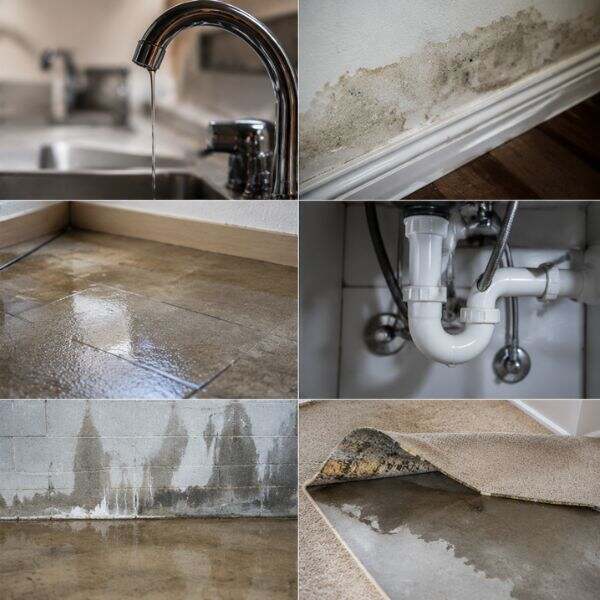
Where Can a Hidden Water Leak Be Located?
A hidden leak doesn’t always announce itself at the damaged pipe. Water may travel through building materials or soil before it becomes noticeable.
Behind Walls
Leaks inside walls may result in:
- stains
- damp drywall
- peeling or bubbling paint
- musty odors
- unexplained moisture
A visible stain can indicate that water has reached that area, but it doesn’t necessarily identify the point where the plumbing is leaking.
Underground
A buried water line can leak beneath soil, landscaping, driveways or other surfaces.
If the evidence points specifically toward a buried line, see our dedicated underground leak detection page rather than assuming every underground problem is the same as an interior plumbing leak.
Beneath Floors or Concrete
Plumbing beneath finished flooring or concrete can be difficult to inspect visually.
If there is evidence of water loss but no accessible leak, specialized detection methods can help narrow the suspected location before unnecessary access is considered.
Along Water Supply Lines
A water-supply pipe can leak even when the plumbing fixtures inside the property appear normal.
Continuous meter movement, unexplained water usage or pressure changes can justify further investigation.
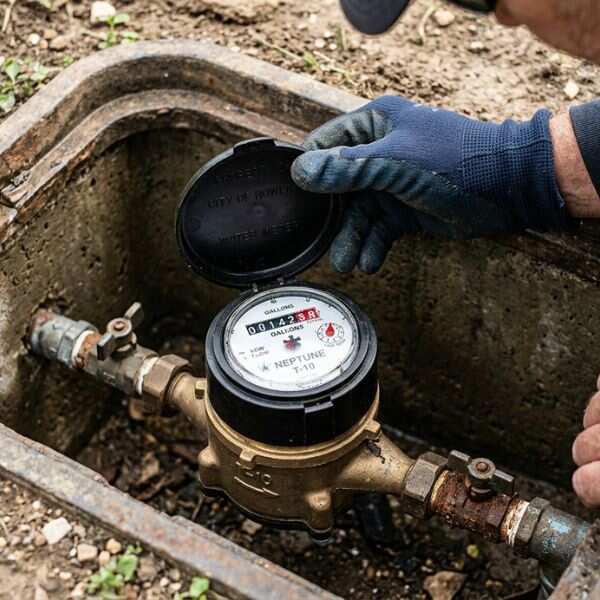
How to Check Your Water Meter for a Possible Leak
Before requesting professional detection, you can perform a basic observation of your water meter.
1. Stop normal water use
Turn off faucets and avoid intentionally using water during the test.
2. Check the meter
Observe the meter reading or flow indicator.
3. Wait and observe
Give the system enough time to determine whether water usage continues.
4. Check the meter again
If the meter continues registering water use when you aren’t intentionally using water, that is a reason to investigate further.
A moving meter can indicate water loss, but it doesn’t automatically identify the location or type of leak.
Meter still registering water use? Rowlett Leak Detection can help investigate where the water is going.
How It Works
How Rowlett Leak Detection Locates a Water Leak
- 1
Understand the Symptoms
The investigation starts with what you have noticed. That may include: meter movement, unusual water usage, visible moisture, water sounds, pressure changes and a suspected location. These details help establish where the investigation should begin. - 2
Check for Evidence of Water Loss
Meter observations and appropriate plumbing-system testing can help determine whether water is escaping when it shouldn't be. - 3
Narrow Down the Suspected Area
Once there is evidence of a leak, appropriate detection methods can be used to investigate the suspected plumbing. Depending on the circumstances, this may involve acoustic, electronic, thermal or other diagnostic techniques. - 4
Locate the Likely Source
The objective is to distinguish the effect of the leak from the source of the leak. For example, moisture on one section of a floor doesn't necessarily mean the damaged pipe is directly underneath that exact spot. - 5
Discuss the Next Step
Once the suspected source has been identified, the appropriate repair or further investigation can be considered. Detection and repair are related, but they are not the same service.
How Much Does Water Leak Detection Cost in Rowlett, TX?
The cost of water leak detection can vary because every leak is not located under the same conditions.
Factors that can affect the scope of the work include:
- where the leak is suspected
- how accessible the plumbing is
- whether the leak is concealed
- the complexity of the plumbing system
- the diagnostic methods required
- whether additional testing is necessary
A simple investigation and a difficult concealed leak are not necessarily the same job.
It’s also important to distinguish leak detection from leak repair. Finding the source and repairing the damaged plumbing can involve different work.
If a leak is located, the appropriate repair can be discussed based on the actual condition and location of the plumbing.
Want to understand what your suspected leak may require? Contact Rowlett Leak Detection.
What Happens After the Leak Is Located?
Finding the source is an important part of solving a hidden water leak, but it is not necessarily the repair itself.
Once the suspected leak location is established, the next step is to understand:
- what part of the plumbing is affected
- where access may be required
- what type of repair may be appropriate
- whether additional investigation is necessary
The repair approach depends on the actual plumbing problem.
For example, a faucet leak is handled differently from a concealed supply-line leak, while a confirmed slab leak may require a different repair strategy again.
That’s why accurate detection comes first.
If your issue turns out to be a specific service covered elsewhere on our site, we can direct you to the appropriate service information.
Water Leak Detection vs. Other Leak Services
Not every leak problem belongs on the same service page. Use the description below to identify the service that best matches your situation.
Hidden Water Leak
You know or suspect that water is escaping but cannot determine where the plumbing problem is located.
Underground Leak
You specifically suspect the leak is beneath the yard, driveway, landscaping or another buried area.
See our underground leak detection service.
Foundation Leak
You are dealing with moisture or suspected water intrusion associated with the foundation and need the source investigated.
See our foundation leak detection service.
Faucet Leak
The water is visibly coming from a faucet or fixture and the problem is repair rather than hidden leak locating.
See our faucet leak repair service.
Confirmed Slab Leak
You already know a leak is beneath the slab and need information about repairing it.
See our slab leak repair service.
Suspected Gas Leak
If you suspect gas rather than water, this is a different type of safety issue.
See our gas leak detection service and follow appropriate gas-safety procedures.
Water Leak Detection for Rowlett Homes
Rowlett’s municipal water system includes residential water meters and a managed water-distribution system. The City of Rowlett also provides residents with information concerning water-meter questions, leaks and water emergencies.
For a homeowner, the important distinction is between seeing evidence of water and finding the source of that water.
A wet area, higher water usage or a moving meter may tell you that something deserves attention. It doesn’t necessarily tell you whether the source is inside the home, beneath a slab, along a supply line or somewhere underground.
That’s why a water leak investigation should follow the evidence rather than rely on assumptions.
Rowlett Leak Detection focuses on locating the suspected source so you can determine the appropriate next step.
Questions We Hear Often
Frequently Asked Questions
How do I know if I have a hidden water leak?
Watch for a rising water bill with no change in usage, a warm spot on the floor, or your water meter spinning with all fixtures off. Any of these warrant a professional check.
Can a plumber find a leak without digging up my yard or slab?
Yes. Acoustic and electronic leak detection equipment traces the sound and location of the leak first, so digging only happens once the exact spot is confirmed.
What does a slab leak sound like?
Some homeowners describe a faint hissing or trickling sound near the floor, especially in a quiet room. Others hear nothing at all until the water bill spikes.
Will homeowners insurance cover leak detection or the repair?
It depends on your policy and the leak’s cause. Many policies cover sudden pipe failures but not gradual leaks. Check with your provider before scheduling repairs.
How long does a water leak detection visit take?
Most residential visits take one to two hours, depending on leak depth and how many areas need to be checked.
Can I test for a leak myself before calling someone?
Yes, shutting off all water use and watching your meter’s leak indicator dial for movement over 15–20 minutes is a reliable first check.
What's the difference between a slab leak and a regular pipe leak?
A slab leak specifically occurs in the water lines running under a concrete foundation, while a regular pipe leak can happen anywhere in the plumbing system, including walls or exposed pipes.
Is a leak under my house an emergency?
Not always, but a leak near electrical systems, one causing visible flooding, or one affecting your only water shutoff should be treated as urgent.
Need the Leak Located?
If your water meter continues registering usage, your water consumption has changed unexpectedly, or you’re seeing unexplained moisture without an obvious source, Rowlett Leak Detection can help you determine what needs to be investigated.